
eBike maintenance: motor, battery and firmware
EBike maintenance made practical: motor and battery checks, diagnostics, and why firmware updates matter for a reliable, warranty-ready service.
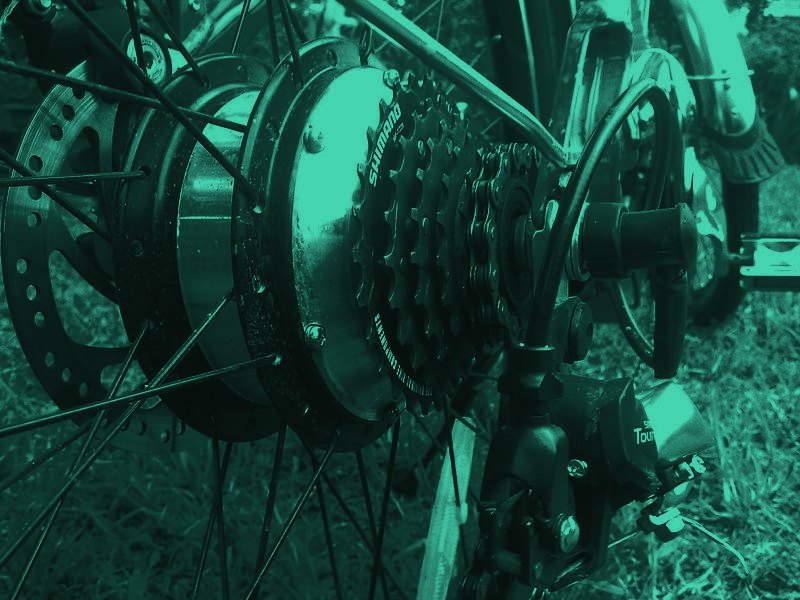
In 2024, eBikes made up roughly three quarters of the bikes that came in for repair. That single number says it all: eBike maintenance isn't a niche variant of regular bike service anymore — it's the bulk of the daily workload. And the number-one operational headache the industry flagged in 2026 is warranty handling on eBikes, motor and battery claims above all. Without a consistent way to check, diagnose and update these components, every job risks turning into a multi-hour guessing game instead of a routine ten-minute check.
Motor: what to check before you open anything
Before you touch a single bolt, listen to the motor. A steady metallic hum, a noise that changes with pedal cadence, or assist that kicks in unevenly are almost always symptoms you can diagnose without disassembly — a test ride plus the manufacturer's app or diagnostic tool, which nearly every modern drive system now offers for reading live error codes, gets you most of the way there. Before any real intervention, three things are worth checking on the bench: mechanical play between the motor and the frame (often the real cause of creaks mistaken for electrical faults), the condition of the connectors — moisture and winter road salt are the most common cause of corroded contacts — and the torque on the mounting bolts, since a loose fixing generates vibration that gets misread as an electronic fault. A motor that "sounds wrong" but throws no error code is frequently a mechanical issue disguised as an electrical one, and telling the two apart early saves real bench time.
Battery: real diagnostics, not just the percentage on the display
The percentage on the display tells you very little. What actually matters for diagnosis is remaining capacity measured against nominal capacity, readable with a diagnostic tool connected to the pack, together with the number of charge cycles already logged — those two figures are what let you tell whether a customer's complaint about reduced range is normal chemical aging or a sign of a damaged cell. Given how fast the eBike aftermarket is growing — motor and battery parts, the latter measured in Wh, are among the fastest-growing categories in post-sale parts sales — it's worth building a standard battery check into every service ticket: a visual inspection of the pack for swelling or heat marks, cleaning and checking the charging contacts for corrosion, and confirming the customer hasn't left the battery fully drained or fully charged in a garage for weeks (both accelerate degradation). On storage, the rule worth passing on to customers is simple: neither full nor empty, room temperature, never near a heat source.
Firmware: an update is maintenance, not an extra
Plenty of power-delivery glitches, intermittent errors, and display-to-motor mismatches are solved with a firmware update rather than a replacement part. This belongs in every eBike service checklist, not just in the "something's broken" bucket: check the installed version, see whether the manufacturer has shipped an update addressing known bugs, and — critically — log which version was installed and when in the customer's file. That last step matters twice as much for warranty work: when a claim gets disputed, having a documented firmware state at the time of service is often what separates a fast reimbursement from weeks of back-and-forth emails with the manufacturer.
Diagnostics as a process, not a fire drill
What ties motor, battery and firmware together is that all three depend on data, not just a trained ear: error codes, remaining capacity percentage, installed firmware version. With the Digital Product Passport becoming mandatory in 2027, this kind of traceability stops being good internal practice and becomes a requirement — it pays to start logging every check now, not just the final fix. A shop that systematically records diagnostic readings, firmware versions and battery health for every bike on the bench moves faster on repeat customers, and has the right data on hand when a manufacturer asks for proof to honor a warranty claim.
Keeping work orders, service history and technical data together for every bike is exactly the kind of order a platform like CrankPal is built to bring to a workshop, without adding friction to the bench work itself.
Make service your profit center
CrankPal handles job sheets, inventory, invoicing and customers in one place — with the workshop at the core.
Discover CrankPal for workshops Get the free guideGet new articles
Workshop management, industry data and maintenance. One email, no spam.