
Why gravel is good business for your workshop
Gravel bike maintenance runs year-round: mud, disc brakes and cassettes wear faster than on road bikes. Here's why that's good business for workshops.
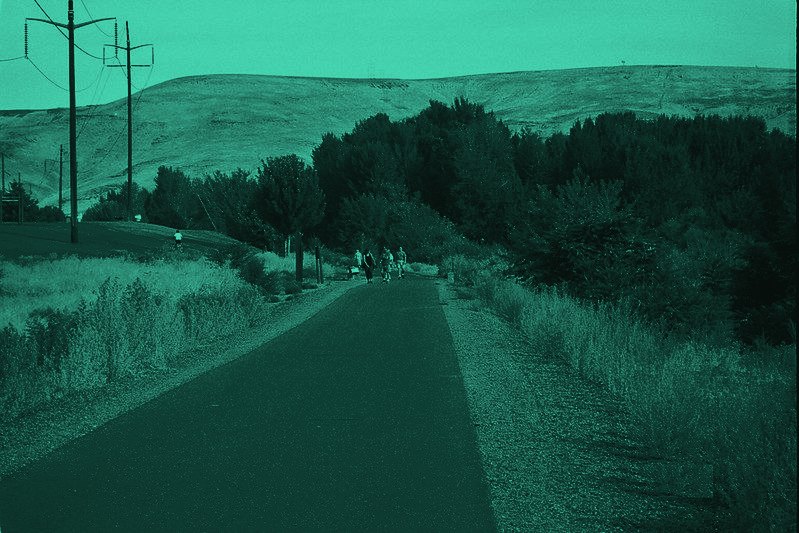
A gravel bike doesn't hibernate in November. Riders who use one for commuting, winter training or year-round touring bring it back to the workshop far more often than the average mid-range road bike, which typically only comes off the wall from March to September. That's where the real opportunity sits for a workshop: not so much in the margin on the frame at the point of sale, but in the gravel bike maintenance flow that machine generates over the following two years.
A category built for everyday use
Gravel arrived in an Italian market that has been through a rough stretch since its Covid-era peak of 2.01 million bikes sold in 2020: down 10% in 2022, down 23% in 2023, and settling at 1.303 million units in 2025. Industry revenue over that period slid from €3.2 billion to roughly €2.5 billion, while margins collapsed from 7.6% to 3.2% between 2021 and 2023. In a market that compressed, categories that generate recurring revenue matter more than ones that only generate a one-off sale margin. Gravel, given how it's actually ridden — gravel roads, tarmac, rain, long off-season outings — fits that logic almost by design.
It's no accident that service is already what keeps many shops afloat: workshop work accounts for up to 60-90% of shop revenue and roughly 70% of overall profit, with 95% of Italy's roughly 4,000 specialist retailers doing repair work. A bike designed to be ridden twelve months a year, on mixed terrain, is simply a multiplier on that number.
What changes in gravel maintenance versus road
Off-road use and winter riding accelerate wear on parts that used to last a full season on a traditional road bike: chainrings, chains and cassettes take more mud and grit contamination, tubeless tyres need more frequent seal checks, and disc brakes — now the category standard — need more regular calibration and pad replacement than rim brakes ever did. These are exactly the part families that stay constant aftermarket best-sellers: inner tubes, tyres, chains, brake pads. Add to that the growing share of electrified gravel bikes, which need motor- and battery-specific parts — a segment growing fast given that eBikes now make up about 20% of bikes sold in Italy, up from 10% in 2017.
For a workshop, that translates into a predictable gravel maintenance calendar — tightening cassette and brake check intervals compared with a road bike that only sees fair-weather months — and pitching it to the customer as a package, not as an ad-hoc job after something breaks.
From occasional customer to recurring customer
The more interesting angle, looking at industry-wide numbers, is that gravel also taps into another trend: the growth of cycling tourism, which in Italy now accounts for up to 89 million overnight stays and €9.8 billion in economic impact in 2024. Gravel-focused cycling tourists look for technical support along their routes, not just before they set off — a customer profile a purely urban workshop rarely sees with the same regularity.
Turning that recurrence into a system — knowing when a gravel customer last came in for a service, when they last bought a cassette, whether they're riding gravel roads regularly — is a data problem as much as a workbench one. That's where a CRM built for workshops, like CrankPal, helps turn gravel bike maintenance from a sporadic job into an ongoing relationship: tracking each bike's history, scheduling service reminders, and keeping a parts inventory aligned with the category's real usage cycles, rather than the more seasonal rhythm of road bikes.
Make service your profit center
CrankPal handles job sheets, inventory, invoicing and customers in one place — with the workshop at the core.
Discover CrankPal for workshops Get the free guideGet new articles
Workshop management, industry data and maintenance. One email, no spam.