
Bike and eBike incentives: past, present and what to ask for
Bike and ebike incentives in Italy explained: the 2020 mobility bonus, reduced VAT, usage subsidies, and what shops should be asking lawmakers for next.
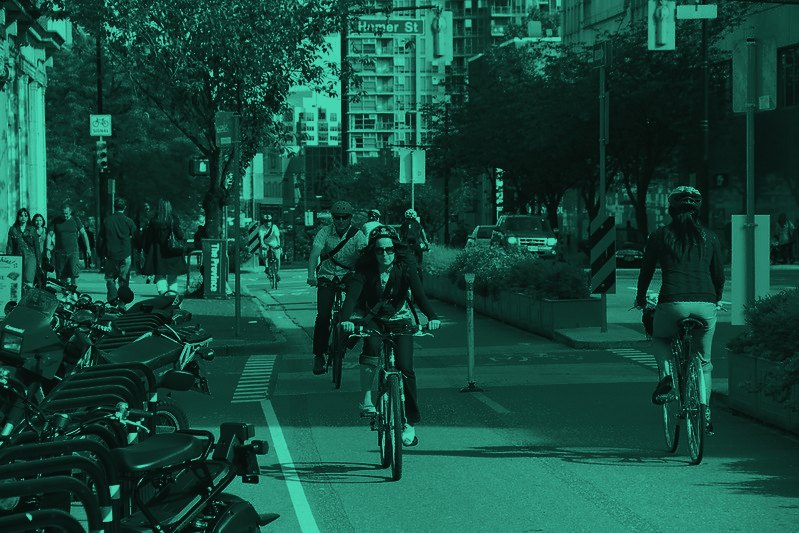
On May 4, 2020, the first day Italians could apply for the government's mobility bonus, the online application window closed within hours: 215 million euros gone in less than a day, more than 600,000 rebates paid out, averaging 332 euros each. It remains the largest direct purchase incentive Italy has ever run for bikes and eBikes, and it's still the benchmark every later proposal on ebike incentives gets measured against. It's worth revisiting what actually happened, what survives today, and what a bike shop should be pushing for now.
The precedent: the 2020 mobility bonus
The 2020 bonus was born as an emergency measure, tied to easing pressure on public transport during the pandemic, but its effect went well beyond the emergency itself. It helped drive that year's sales peak: 2.01 million bikes sold in Italy, up 17% on 2019, still the high-water mark of the last decade. Since then the trend has reversed hard — down 10% in 2022, down 23% in 2023, and 1.303 million units in 2025. What the mobility bonus proved is something every shop owner watched happen on their own sales floor: when an incentive is immediate, simple to claim, and feels like real money right now, demand responds instantly. The problem is that nothing since has matched it — the regional or income-tied incentives that followed never came close in either media reach or volume.
Why the market needs it again
The context for today's incentive debate is different from 2020, and more fragile. The Italian bike trade's overall business volume fell from 3.2 billion euros in 2022 to roughly 2.5 billion in 2025, while margins shrank from 7.6% in 2021 to 3.2% in 2023. Against that backdrop, eBikes are almost the only segment still growing as a share of the market: they now account for about 20% of units sold in Italy, up from 10% in 2017 (the year eBike sales jumped from 56,200 to 124,000 units, a 120% increase in twelve months). Germany has already crossed the tipping point, with eBikes overtaking traditional bikes at 53% of sales in 2024 — that's the direction the whole market is heading. In Italy, though, entry price remains a real barrier for a big chunk of would-be buyers, especially commuters, who are the most natural audience for an urban eBike.
Reduced VAT: the more durable ask
If the one-off bonus is the most visible measure, a reduced VAT rate on bicycles — and eBikes specifically — is the more structural request the industry has been making to lawmakers for years. The logic mirrors what other European countries already do: treat the bike as sustainable transport infrastructure, not a discretionary luxury good. A lower VAT rate would have a permanent effect on price, without the boom-and-bust pattern that click-day style schemes tend to produce, where demand gets artificially compressed into a single window and then goes quiet for months. For a shop, a structural measure like reduced VAT also has a very practical upside: it's predictable. It doesn't produce the order spikes followed by months of silence that made inventory planning so hard to manage during the mobility bonus years.
What to ask for, and in what order
If I had to rank these by real impact on a shop with a service department, usage incentives would come first — mileage reimbursements, commuter subsidies, tax breaks for employers who encourage staff to cycle to work — because they reward people who ride year-round, which means recurring maintenance, not just a one-off purchase. Reduced VAT would come next, for its permanent effect on price. Direct purchase bonuses would come last: useful for jolting demand, but they need to be designed better than in 2020 — income-capped, spread out over time instead of a single click day, and, especially for eBikes, tied to an initial setup or safety check performed by a shop. That would connect the public incentive to safety and to proper warranty handling, which in 2026 remains the number-one operational headache for anyone selling and repairing eBikes.
A shop that wants to be ready for the next incentive, whatever shape it takes, mainly needs its data in order: customer records, service history, warranty deadlines. That's exactly the ground CrankPal works on — a shop management platform built for bike workshops. If you want to see how to keep your inventory and your customers ready for the next wave of demand, take a look at the CrankPal platform for bike shops.
Make service your profit center
CrankPal handles job sheets, inventory, invoicing and customers in one place — with the workshop at the core.
Discover CrankPal for workshops Get the free guideGet new articles
Workshop management, industry data and maintenance. One email, no spam.